
A Simple Styling Method That Protects Strands and Eases Daily Strain
Protective styles matter when you deal with breakage or scalp pain. Many people pull hair tight without knowing the cost. Over time, stress on roots can cause thinning, soreness, and split ends. A gentler approach can lower these risks. Twisting methods focus on control, balance, and even weight across the head. This article explains how this method helps reduce damage and discomfort. You will also learn common mistakes, care tips, costs, and best practices for long term results.
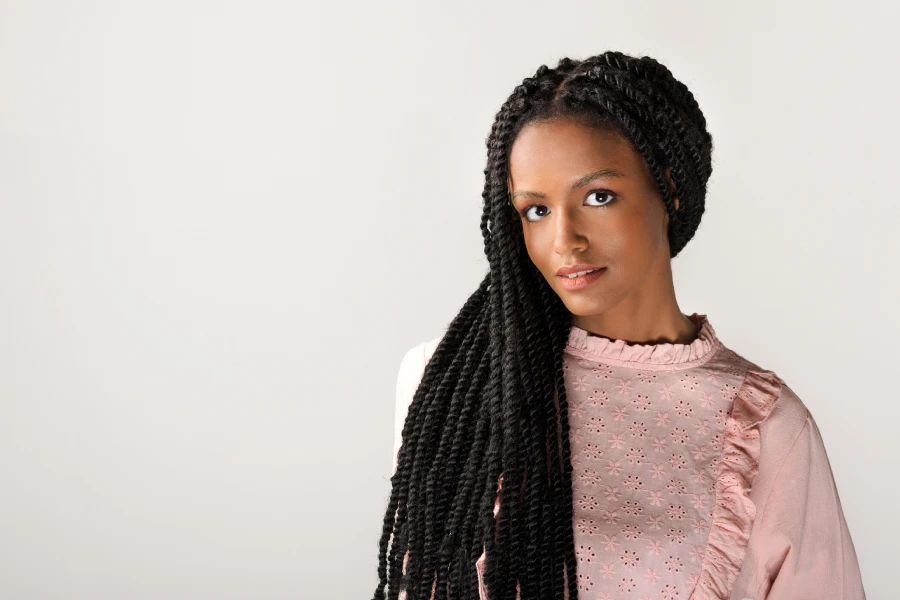
How Twisting Spreads Stress Across Strands
The main benefit of a hair twist style is tension control. When you create a hair twist, each section carries less weight at the root. This balance helps reduce pulling during daily movement. The method also keeps strands grouped, which lowers friction. Less rubbing means fewer broken ends. Many stylists note less shedding after two to three weeks of wearing this style.
Why This Method Lowers Daily Scalp Strain
Scalp pain often comes from styles pulled too tight. Using hair twist sections allows gentle control without strong grip. The roots stay secure but not stressed. Blood flow stays steady, which supports healthy growth. This approach works well for people with tender scalps or active routines.
Key Advantages for Growth and Comfort
Twisted styles offer both comfort and protection when done the right way. They help you keep length while reducing daily effort. Many people choose this method during recovery from damage.
- Reduced pulling at the scalp
- Lower breakage from brushing
- Better moisture retention
- Less daily styling time
Common Mistakes That Cause Damage
Problems happen when the style is rushed or forced. Small errors can lead to pain or breakage within days. Knowing these issues helps you avoid setbacks.
- Starting on dry or tangled hair
- Using sections that are too small
- Pulling tightly at the root
- Skipping nightly protection
Step by Step Method for Safe Styling
A clear process keeps your hair healthy and comfortable. Follow these steps each time you install a twisted style.
- Clean and condition hair before styling
- Apply a light leave in product
- Detangle fully with fingers or wide comb
- Part hair into even sections
- Twist gently from root to end
- Stop if you feel any pain
Best Care Habits for Long Wear
Proper care extends the life of the style and protects the scalp. These habits are widely recommended by licensed professionals.
- Wear a satin wrap at night
- Use light oil on the scalp weekly
- Avoid heavy products that cause buildup
- Remove the style after six to eight weeks
Professional Standards and Safety Guidelines
Licensed stylists follow clear rules for protective styling. Clean tools are a must. Sections should feel secure but never painful. If redness or bumps appear, the style should be removed. Many state boards of cosmetology stress tension control to prevent traction alopecia. This condition comes from repeated stress at the roots.
Cost Factors and Long Term Value
Pricing depends on hair length, thickness, and time needed. Simple twist sets often cost less than braided styles. The real value comes from reduced damage. Fewer trims and treatments save money over time. Many clients also spend less on daily products.
Is This Style Right for Your Hair Type
This method works well for natural, relaxed, and transitioning hair. It suits people with sensitive scalps or active schedules. Those with fine hair should use larger sections. Thick hair can handle smaller parts with less risk. A short consult helps set the right plan.
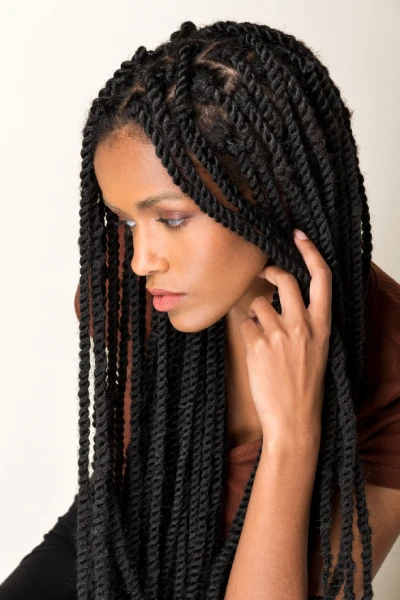
Expert Help for Healthier Styling Results
Call (470) 854-5724 today to discuss protective styling options that support comfort and growth. Located in Lawrenceville, GA, we serve clients who want healthier hair habits. Josey Hair Braiding focuses on safe methods, clear guidance, and long term results for every texture.