
Practical Steps for Keeping Protective Styles Neat and Healthy
Keeping braided styles neat at home saves time and money. It also protects your natural hair. Many people notice frizz, dryness, or loose rows after a few days. These issues often come from simple habits. Daily care matters more than many think. With the right steps, your style can last weeks instead of days. This guide explains how small actions protect your scalp and hair. You will learn what helps, what hurts, and what to do daily. Each step focuses on easy care that fits busy schedules.
Key Benefits of Proper at Home Care With Braided Styles
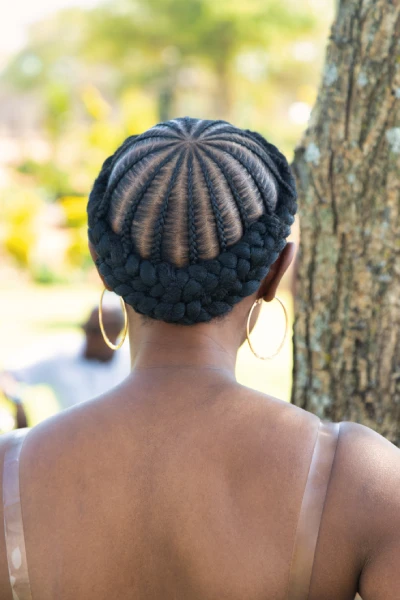
Good daily care brings clear benefits for your hair and scalp. Cornrow braiding stays neat longer when you control moisture and friction. You also lower breakage and scalp itch. Many people see less shedding and better hair growth. Your style looks fresh, even after sleep or workouts. Proper care also reduces salon visits. That saves money over time. When you protect your rows, you protect your natural hair underneath. These benefits add up with simple habits done daily.
Common Problems That Shorten Style Life at Home
Many styles fail early due to avoidable issues. Cornrow braiding can loosen faster with poor habits. Dry air pulls moisture from hair. Rough fabrics cause friction during sleep. Heavy products weigh rows down. Tight headwear rubs edges daily. Sweat can cause itch and buildup. Ignoring these problems leads to frizz and scalp pain. Understanding these risks helps you adjust routines before damage starts.
Daily Steps That Help Maintain Neat Rows
Consistent daily care protects your rows and scalp. These steps are easy and take little time.
- Wrap hair at night with a satin scarf
- Use light oil on the scalp every few days
- Clean the scalp with diluted shampoo weekly
- Pat dry after workouts to remove sweat
- Avoid tight hats and rough fabrics
Best Practices for Moisture and Scalp Health
Moisture keeps hair flexible and strong. Use water-based sprays to hydrate rows. Follow with a light oil to seal moisture. Focus on the scalp, not the braid length. Avoid thick creams that cause buildup. Massage gently with fingertips to boost blood flow. Do not scratch with nails. These habits support comfort and reduce flaking.
- Use alcohol-free scalp sprays
- Apply oil no more than twice weekly
- Rinse scalp gently after heavy sweat
- Let hair air dry when possible
Industry Guidelines for Protective Style Care
Hair care professionals stress gentle handling. Most recommend washing every one to two weeks. Dermatologists note that clean scalps reduce irritation. Stylists advise limiting tension on edges. Braided styles should never cause pain. If soreness lasts over two days, tension is too high. These standards help prevent traction hair loss. Following them supports long-term hair health.
Cost Factors and Long Term Value of Good Care
Home care costs less than frequent salon visits. Basic items include satin scarves and light oils. These items last months. Proper care extends style life by weeks. That reduces re-braiding costs. It also lowers damage repair expenses. Healthy hair needs fewer treatments. The return on care is clear and ongoing.
Pros and Cons of at Home Maintenance Choices
Different care choices bring different results. Understanding both sides helps you decide.
- Pros: longer style life and lower costs
- Pros: better scalp comfort and less breakage
- Cons: daily effort required
- Cons: wrong products can cause buildup
Care Support Options With Professional Guidance
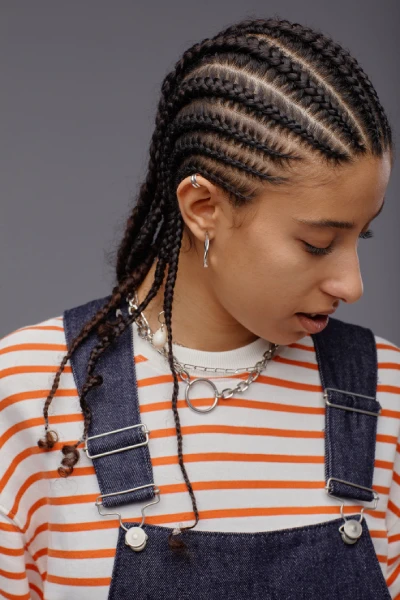
Located in Lawrenceville, GA, we help clients protect their braided styles with expert advice. Josey Hair Braiding focuses on lasting results through proper at home routines. Call (470) 854-5724 to learn how durable styles stay neat longer with the right care plan, and we support healthy hair through safe practices.